我在北京就到了!
我下午五点到了机场。北京有两个机场,都很大。我最喜欢的酒店是全季酒店(Ji Hotel)。我的房间看起来特别舒服。我已经吃过饭了:我用美团点外卖,非常方便。中国的酒店里还有配送机器人, 非常方便.
我下午五点到了机场。北京有两个机场,都很大。我最喜欢的酒店是全季酒店(Ji Hotel)。我的房间看起来特别舒服。我已经吃过饭了:我用美团点外卖,非常方便。中国的酒店里还有配送机器人, 非常方便.
Some grammar studies to start the day. 我和一杯咖啡。
会 + verb indicates ability gained through learning, or that something might happen.
我会说汉语。
他会做饭。
他回家的时候会买一个蛋糕。
不会 indicating something won’t happen
他今天不会来这儿。 我会在机场等你。 明天会很冷吗。
了 indicates a change of state
他感冒了。 现在下雨了。 你看, 下雨了!
了 can also indicate than an action is completed. (i.e. it’s current state has changed.)
王老师来了。
他去运动了。
verb + 了 + number phrase
他们买了三个苹果。 我今天喝了一杯咖啡。
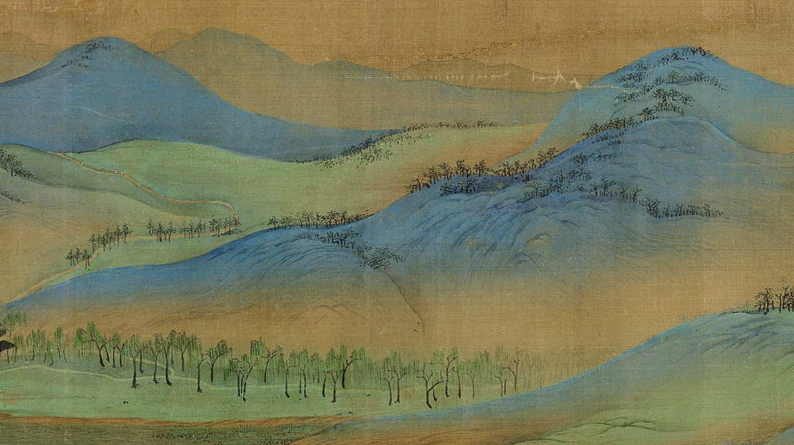
I discovered this very attractive blue and green style of landscape painting. There are quite a few examples that are still vibrant in colour, given that the pigments used were actually made from minerals. A thousand years later, the colours still vibrantly pinging off the page.
The image here is a detail from Thousand Miles of Mountains and Rivers (千里江山图) painted by Wang Ximeng (王希孟). You can see an interactive version here.
The background I’ve chosen, is from a much later example. By an unknown artist, the piece is called Sea and Sky at Sunrise, from the 17th century. The whole thing is 50cm x 200cm, and is supposed to be viewed right to left.
You can read more at the Met Museum: here.
I’m trying to study as much as I can before I head to Beijing. I’m going to start collecting what I learn here, as a reference for myself. Hopefully it will be useful to some, but otherwise it’s nice to just acknowledge the beauty of hanzi characters.
I’ve recently been using the Super Chinese app. It’s probably the first app where I’ve been able to focus and actually learn! Below and in future posts, I’ll be highlighting grammar and vocabulary that I’ve learned.
Duration complements are used to indicate the length of time an action or a state lasts.
Structure: Subject + Verb + Duration Completement
他要运动一个小时。
He is going to exercise for an hour.
我今天想学习三十分钟。
I want to study for thirty minutes today.
他要在北京工作一年。 He will work in Beijing for one year.
她还要等三个月。 She has to wait for another 3 months.
Structure: Verb + 了 + Duration Complement This specific setup indicates that the action took place in the past.
我等了三个小时。
I waited for 3 hours.
我工作了一年。
I worked for one year.
女儿下午学习了三个小时。
My daughter studied for 3 hours in the afternoon.
他在医院住了一个星期。
He stayed at the hospital for a week.
Grammar and Vocabulary: Making comparisons using 比.
Phrases: 桌子比椅子高.
我的杯子比他的小.
这个商场比哪个漂.
这个酒店比哪个酒店好.
这儿的天气比那儿的冷.
明天比今天热.
谁的杯子小?
我的杯子比他的小.
桌子比椅子高.
这儿的饭店漂亮. 那儿的不漂亮. 这儿的饭店比那儿的漂亮.
你会说汉语吗?
Still practising my writing!
我会说一点儿汉语。
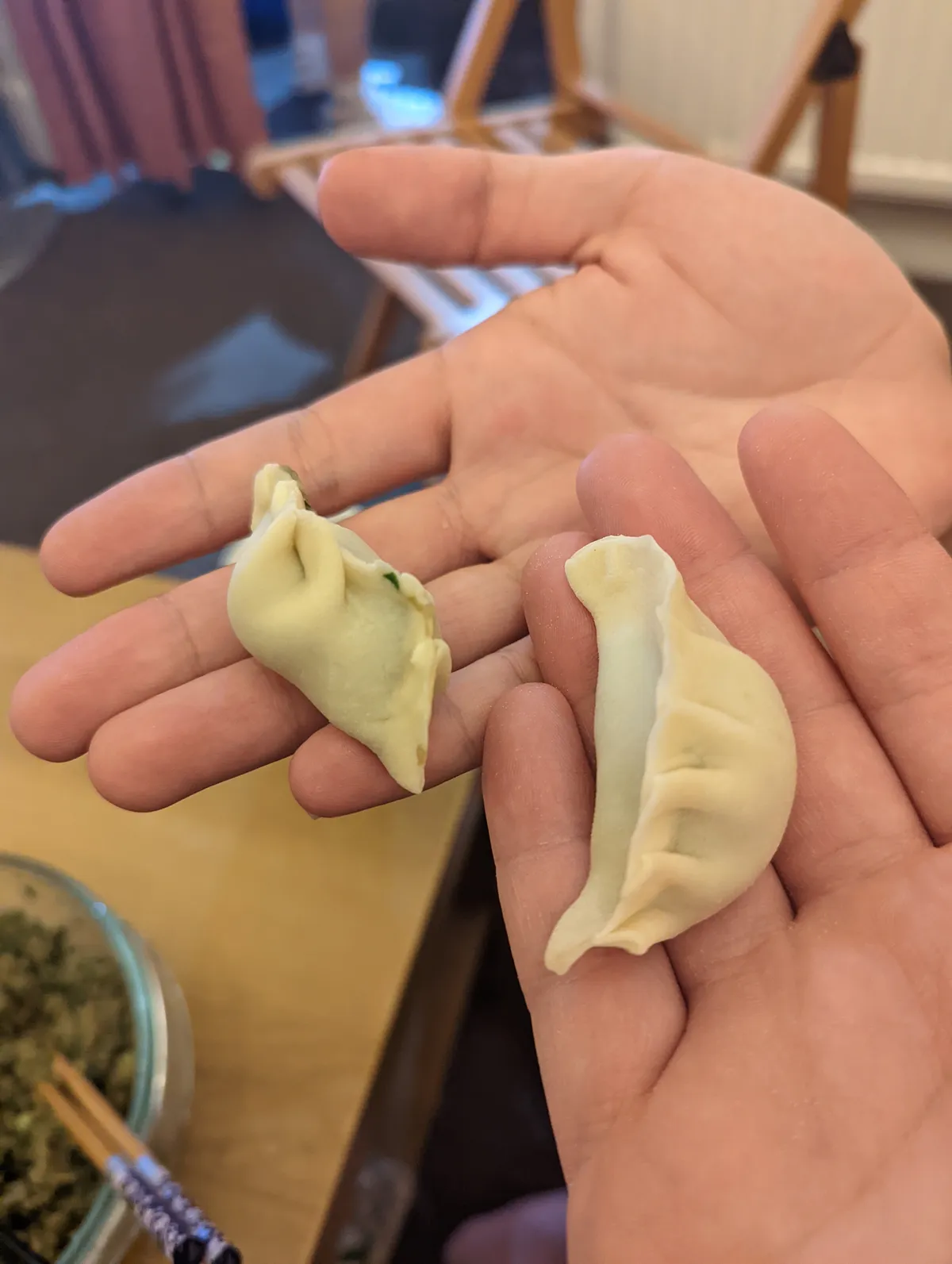
我也会说做中国菜。饺子特别好吃!
我较了我中国的老公做饺子。
我包的饺子比我中国老公还好。
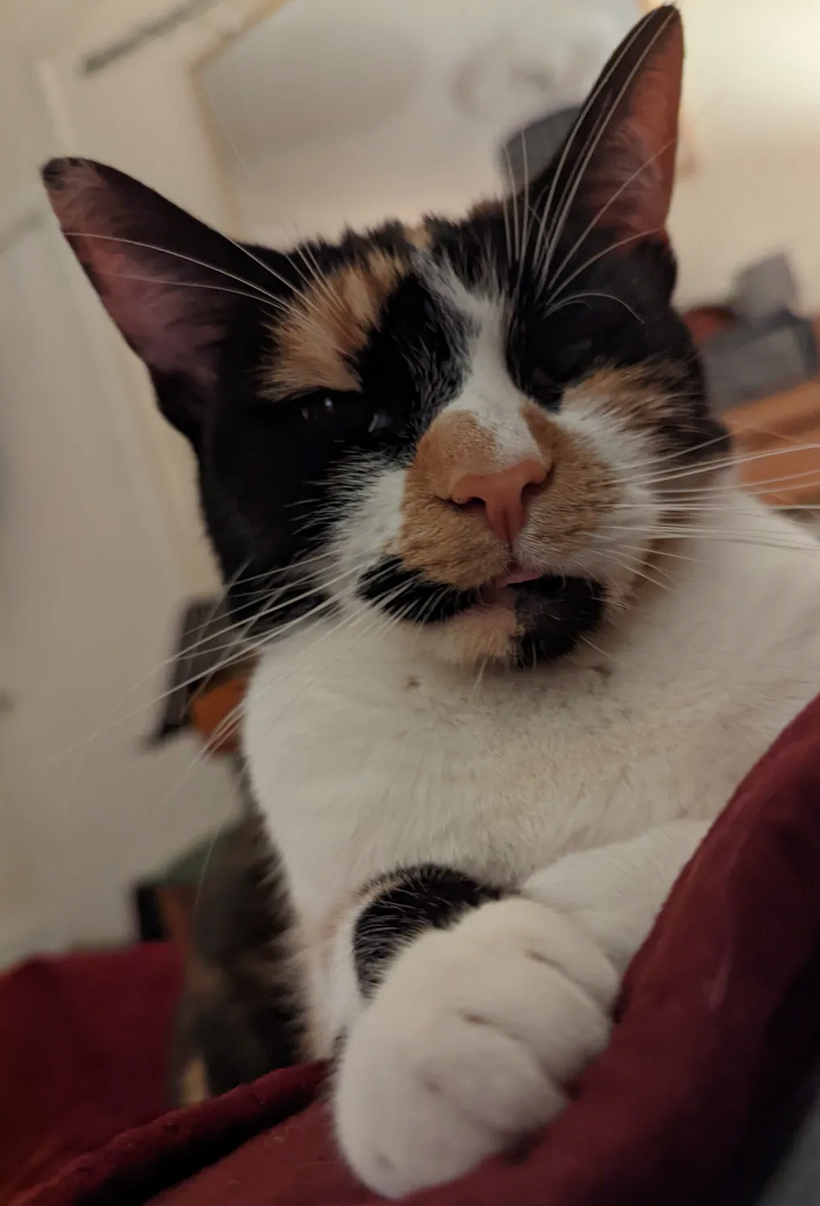
这张照片是我们的猫。它叫 Lily,也可以叫它小莉。它的毛有白色、黑色,还有棕色。它是特别可爱。
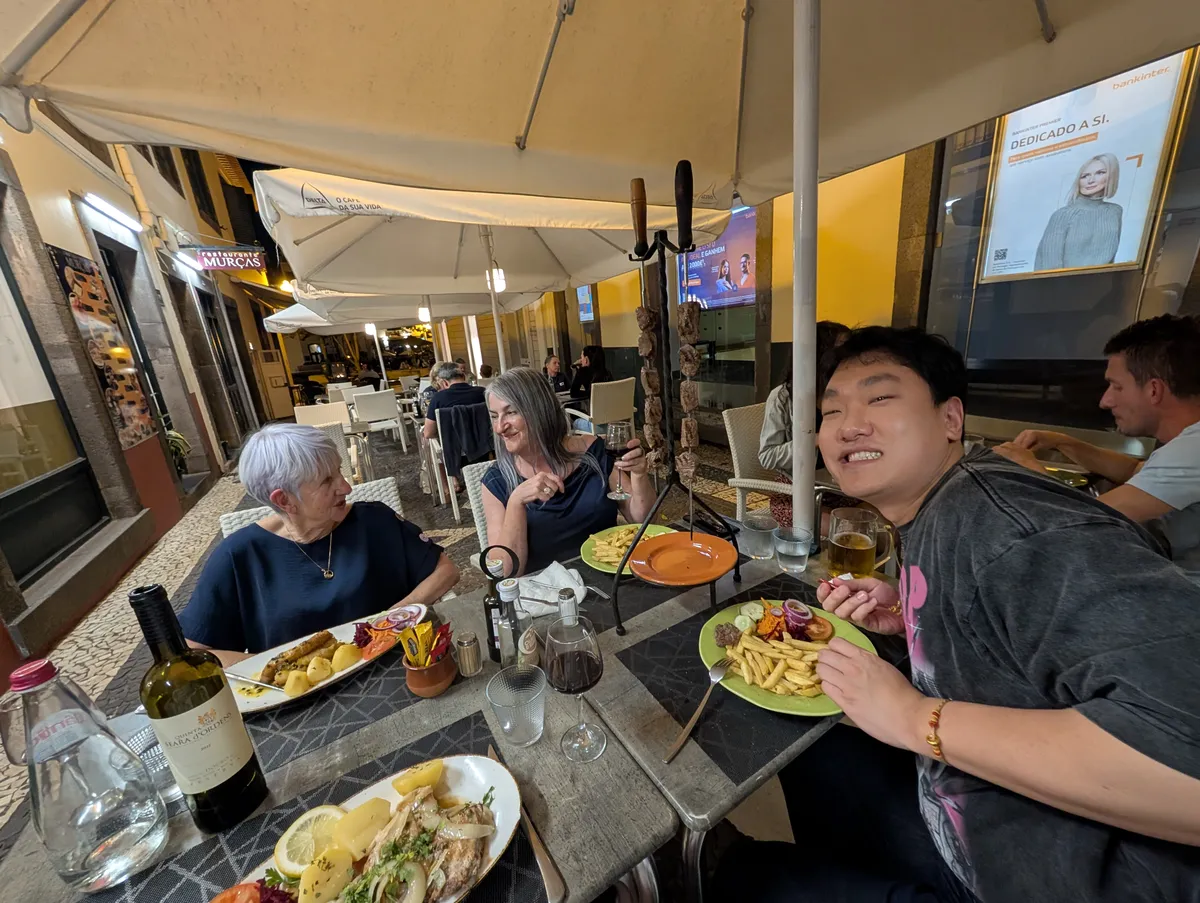
我家有四口人:
我,我老公,我妈妈,我外婆。
还有我们的猫,它叫小莉。
我们都喜欢一起去饭店吃饭。
Uploaded my handwriting, as I’m forcing myself to write more, helps learn the strokes for the hanzi!
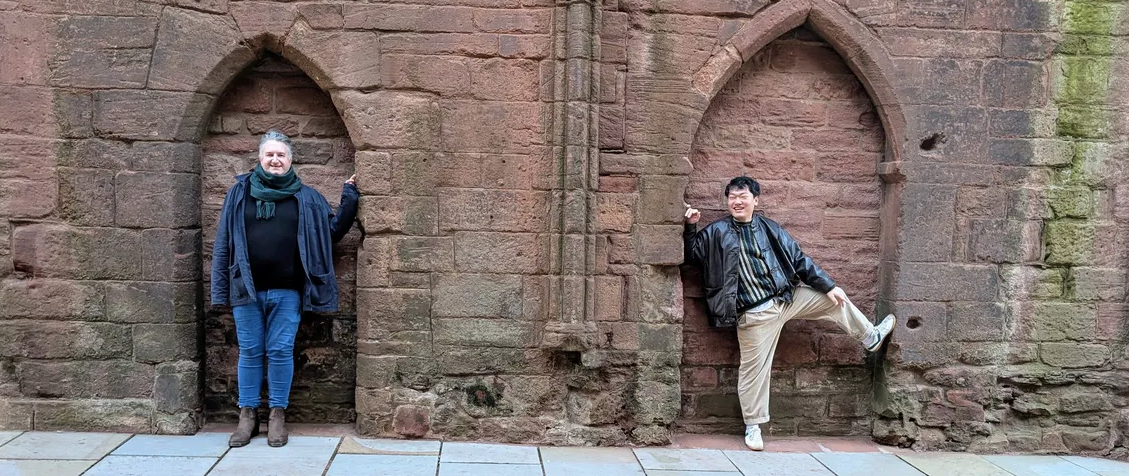
我是大学生。我在 University of Strathclyde 学习中文。这张照片是我和我的朋友。我是苏格兰人,他是中国人。我们住一起在爱丁堡。